Dear Friends,
As we emerge from the intensity of Rosh Hashanah and Yom Kippur into the joy of Sukkot, I often feel a combination of relief, lightness of being, and lingering reflection.
This year, I’ve been thinking about what it takes to stay in what Parker Palmer calls the “tragic gap” between the way the world is and the way we know it could be; between the people we are today and the people we aspire to become. What does it take to stick with the hard work of self-improvement and tikkun olam (repairing the world), day in and day out? How do we do that work in community with other imperfect human beings like us?
This gap has been feeling especially tragic to me. The world continues to break in new ways. I’m getting older and more (sometimes painfully) aware of the work I need to do on myself. But I think what feels most challenging is that we are living in such an unforgiving time.
It takes patience and compassion to accept that we are all responsible for the tragic gap. Instead, we are so quick to turn on one another, to blame and shame those whom we hold responsible for the way things are. We will only close the gap when we’re willing to stay in it together, even with people with whom we least want to be in it. That requires holding space in our hearts and our community for diversity, complexity, and contradictions — however uncomfortable that might be.
This is one of the reasons why I love the ritual of shofar. We heard 100 blasts of different lengths on Rosh Hashanah and concluded Yom Kippur with one dramatic tekiah gedolah (long blast). To me, this primal, wordless sound contains all the contradictions, diverse voices, and perspectives of the Jewish People for thousands of years.
And the call of the shofar can do more than contain these voices. It can pierce straight through them, past the conflicts and tensions, straight to a place of compassion, mercy, forgiveness, and love.
A midrash (Rabbinic teaching) says that when we blow the shofar, God stands up from His throne of judgment, walks over, and sits on His throne of mercy. It’s as if God says to us: I see your flaws. I know the tragic gap is unbearably large. But I love you and I forgive you because you’re staying in it, and staying in it with one another.
This midrash reminds us that we too can transform from a place of judgment to a place of mercy. We too can get up from our throne of judgment and find compassion, mercy, and forgiveness for one another and ourselves.
When we do, we will expand and enlarge our relationships, our community, and our own hearts, all of which give us the courage, strength, and joy to move ourselves and the world a little bit closer to what we know they can be.
Shabbat Shalom and Chag Sameach (Happy Sukkot),
Rabbi Marc Baker
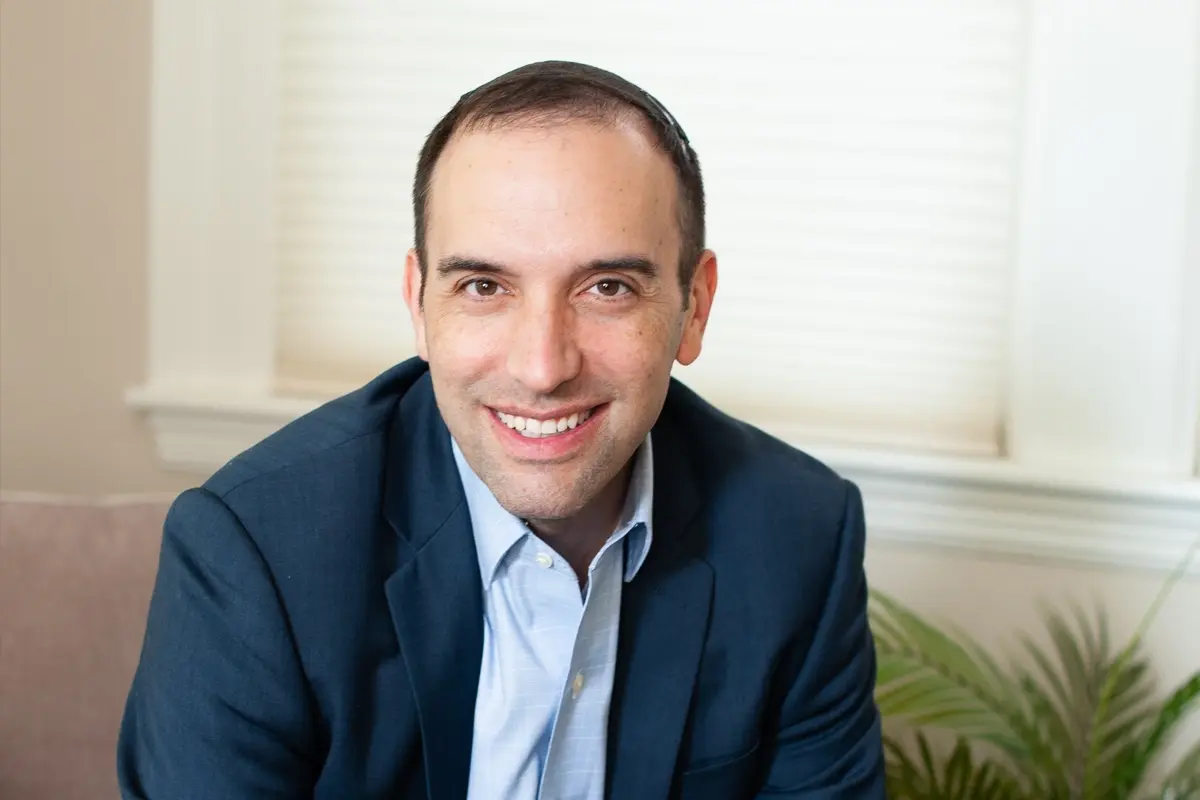
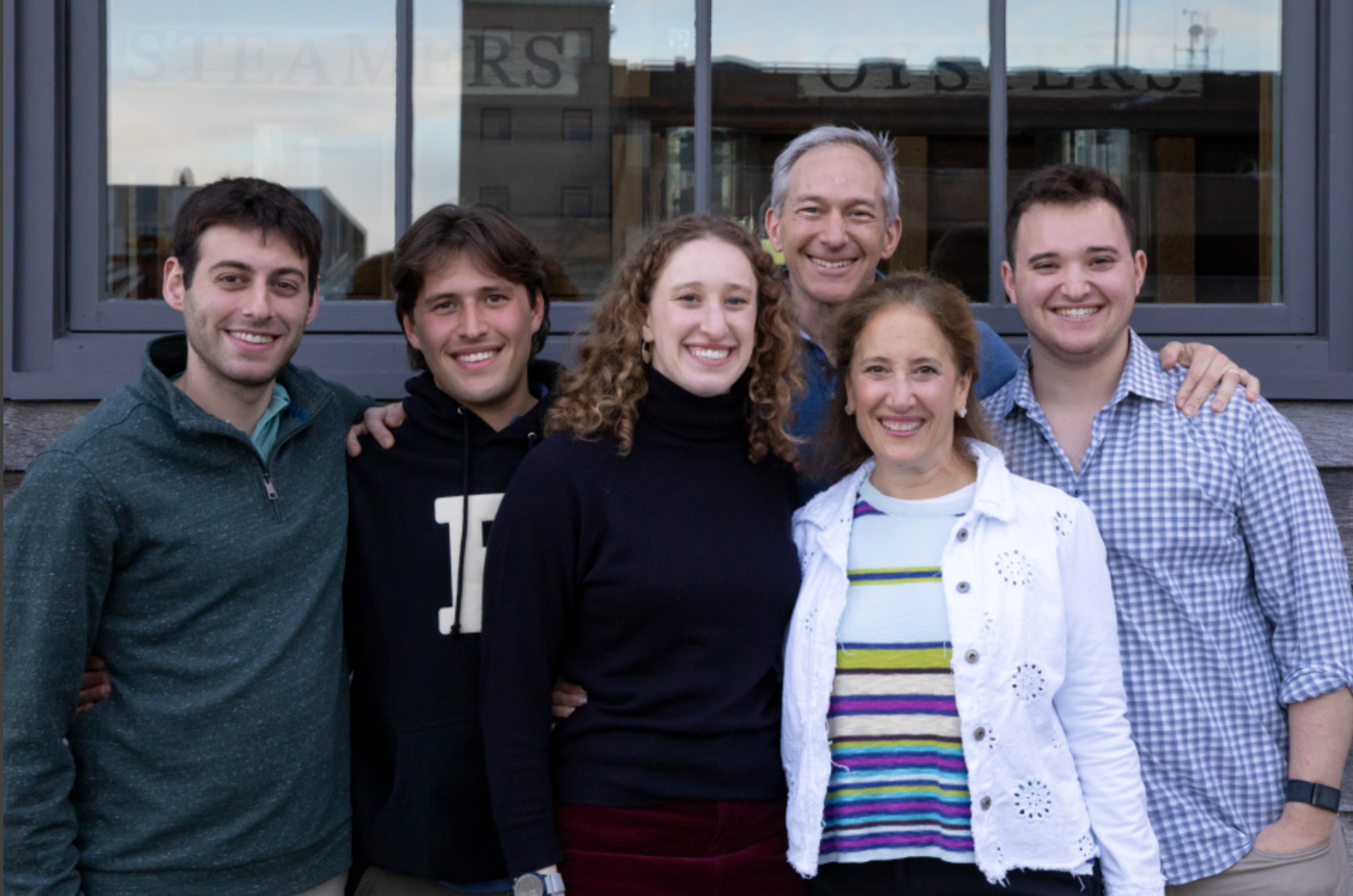
As President and CEO of Combined Jewish Philanthropies of Greater Boston (CJP), Marc leads the organization in its mission to inspire Jewish life and ignite positive change in Greater Boston, in Israel, and across the globe. He champions CJP’s efforts to build partnerships, develop resources, mobilize volunteers, and put innovative philanthropy into practice. Marc regularly writes, speaks, and teaches about leadership, community, and civic life, bringing the voice of Jewish tradition to contemporary issues. Marc graduated from Yale University in 1997 with a Bachelor of Arts in religious studies and received his Master’s in Jewish education from The Hebrew University in 2002. Before coming to CJP, Marc served as head of school at Gann Academy in Waltham. Born in Lynnfield, Marc currently resides in Brookline with his wife, Jill, and they have four children.
Renewal and Return: A Creative High Holidays Retreat
More Stories like this
50 facts about Jerusalem
Finding Strength in Each Other
Change Starts With Us | CJP Marc Baker
In a Moment of Urgency, CJP Mobilizes Rapid Emergency Support Across Israel