Dear Friends,
To be human is to experience loss and pain.
The question, according to the writer Parker Palmer, is not whether our hearts will break, but rather how they will break.
This Sunday is the saddest day of the year on the Jewish calendar. Tisha B’Av commemorates the destructions of the First and Second Temples in Jerusalem and other tragedies that have befallen the Jewish People. It is a day of mourning and heartbreak.
We need it, for many reasons.
We need to remember. Learning about and retelling even the hardest and darkest parts of our history root us in the collective memory and experience of our People. A people that knows where it comes from and can tell its own story cannot ignore or move on from the parts we would prefer to discard. I felt this so profoundly when I visited the concentration camps in Poland for the first time. As a 4th-generation Bostonian who grew up far away from the horrors that our People suffered, going to Poland felt like a pilgrimage — a sacred responsibility — for me. Fasting on Tisha B’Av, reading the Book of Lamentations, and other rituals are ways to remember and connect with thousands of years of Jewish suffering.
We need to reflect. The Jewish response to suffering insists that we move past blaming those who have done us harm. We need to remember our oppressors, know that it can happen again, be vigilant about our self-protection, and demand our rights to dignity, freedom, and security. But Judaism also challenges us to take responsibility and look inward. Each of us is compelled to consider: In what ways might the choices I have made affected the world and shaped my experience of it?
Our tradition teaches that the destruction of the Second Temple was caused by sinat chinam, baseless hatred between Jews. This flips our greatest suffering on its head with the radical moral claim that we brought about our own destruction through infighting, vilification, and hateful treatment of one another. The essence of teshuva (repentance, self-improvement) begins with our agency: the willingness to ask in any situation what we can learn, how we can change, and what we can do better to heal and repair the brokenness around us – even when we are victims of it.
We also need to grieve. Tisha B’Av is an opportunity to practice grieving. Perhaps this is so resonant for me right now because it feels like, as a society, we are experiencing collective heartbreak caused by multiple traumas – grief that we have barely begun to process. The answer to Parker Palmer’s question about how our hearts will break has profound implications for us as individuals and as a society. If our hearts, in his words, “break apart into a thousand pieces, the result may be anger, depression, and disengagement.” The consequences of this destructive heartbreak include the toxicity, polarization, and vilification that plague our society and our politics right now.
On the other hand, grief can also be generative, even transformative. When we allow our hearts to break open, we experience life more fully, live more vulnerably, and connect to others more deeply and authentically. Learning to grieve both the tragedies of the past and the brokenness of the present builds our capacities to be our most wholehearted selves and meaningful contributors to a more just and compassionate society in which those selves can flourish.
On Sunday, we remember, we reflect, and we grieve – three essential elements of a healthy life and a vibrant, thriving community.
Shabbat Shalom,
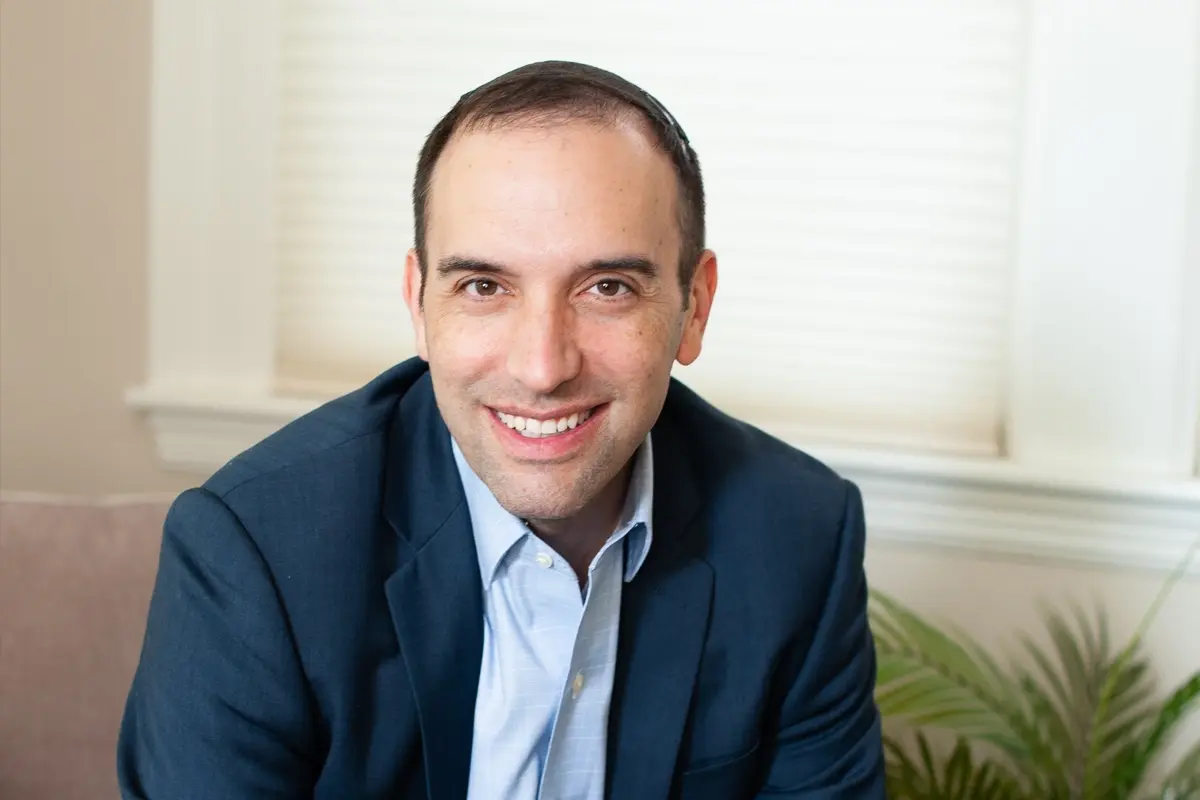
Rabbi Marc Baker
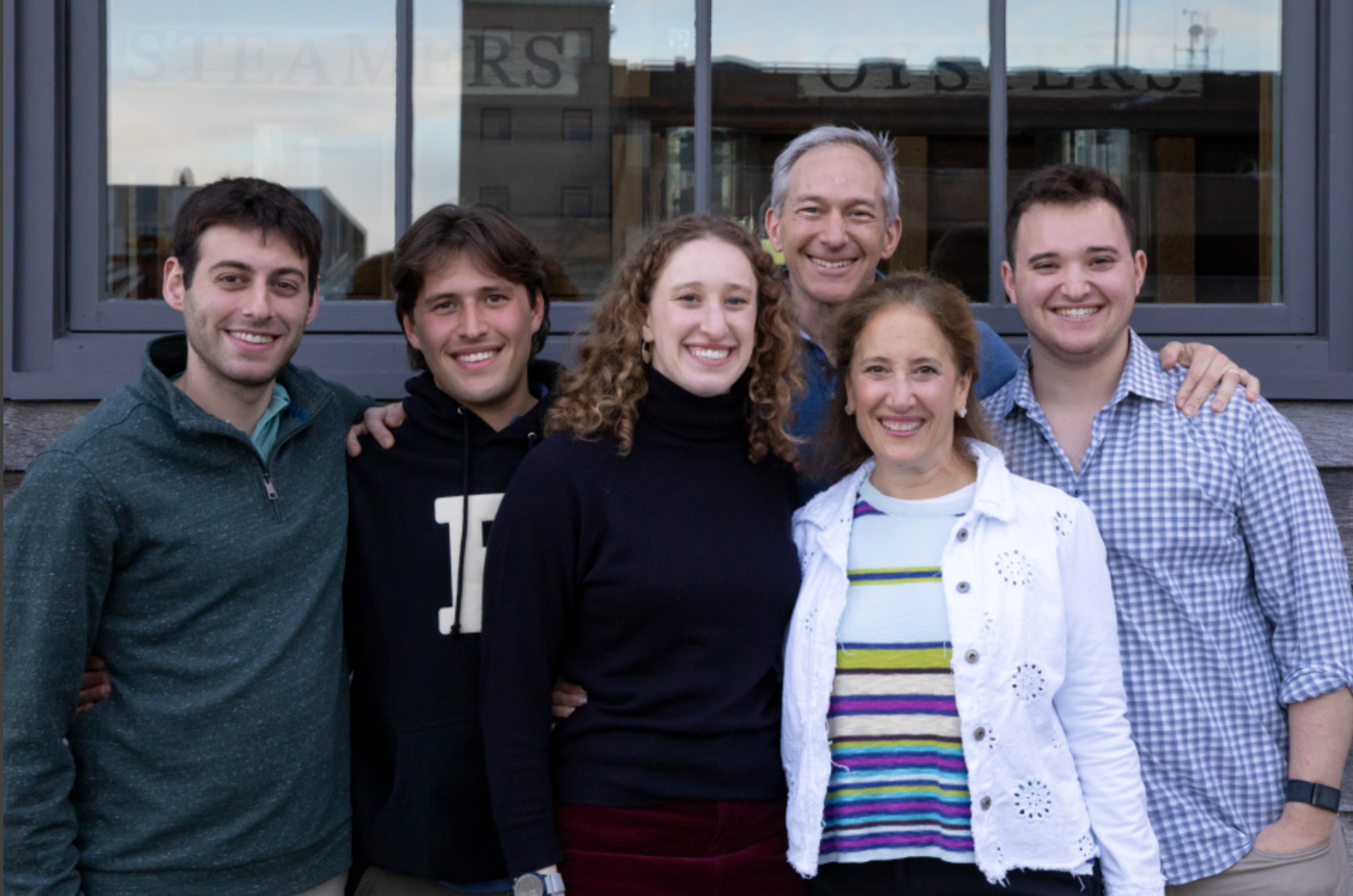
As President and CEO of Combined Jewish Philanthropies of Greater Boston (CJP), Marc leads the organization in its mission to inspire Jewish life and ignite positive change in Greater Boston, in Israel, and across the globe. He champions CJP’s efforts to build partnerships, develop resources, mobilize volunteers, and put innovative philanthropy into practice. Marc regularly writes, speaks, and teaches about leadership, community, and civic life, bringing the voice of Jewish tradition to contemporary issues. Marc graduated from Yale University in 1997 with a Bachelor of Arts in religious studies and received his Master’s in Jewish education from The Hebrew University in 2002. Before coming to CJP, Marc served as head of school at Gann Academy in Waltham. Born in Lynnfield, Marc currently resides in Brookline with his wife, Jill, and they have four children.

Renewal and Return: A Creative High Holidays Retreat
More Stories like this
50 facts about Jerusalem
Finding Strength in Each Other
Change Starts With Us | CJP Marc Baker
In a Moment of Urgency, CJP Mobilizes Rapid Emergency Support Across Israel